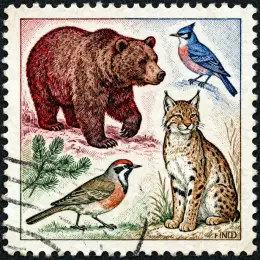
Travel to Finland:
Nature & Birdwatching
Your guide to exploring one of Europe’s most enchanting destinations.
Finland is a country where pristine wilderness meets vibrant cities, where birdwatchers, nature lovers, and adventure seekers can experience landscapes unlike anywhere else.
From endless forests and shimmering lakes to Arctic tundra and the northern lights, Finland invites you to discover its magic.
Birdwatching in
Finland
For birdwatchers, Finland is a dream come true.
The country’s diverse habitats host rare and spectacular species, and each season brings new wonders
Spring (May-June)
This season offers peak breeding activity and the returning migratory flocks are filling wetlands and bays with life.
Summer (June-July)
Long daylight hours reveal songbirds across forests, lakes, and archipelagos.
Autumn (August-October)
Dramatic migrations of geese and cranes sweep across the skies.
Winter (December-March)
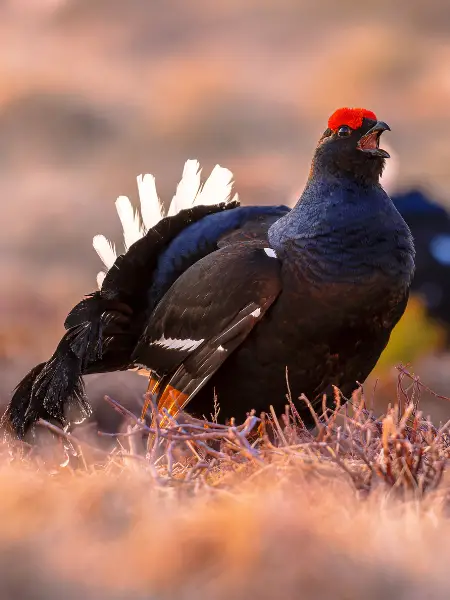
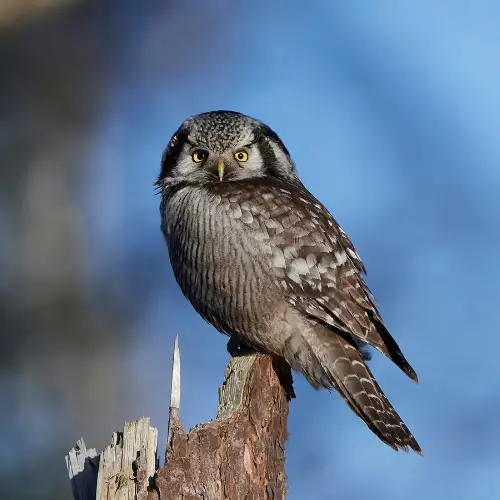
Hardy species like owls and grouse thrive in snowy landscapes.
Geography & Ecology
Geographic and Ecological Context
Finland’s ornithological significance derives from several factors that distinguish it from other European birding destinations.
Migration Dynamics:
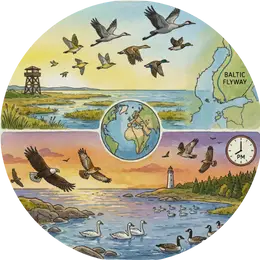
Finland’s position on the Baltic Flyway and its role as a breeding destination for Arctic migrants creates distinct seasonal birding opportunities. Spring migration (late April through early June) is particularly concentrated and productive. Autumn migration follows different patterns, with significant raptor movements along coastal routes and large-scale waterfowl staging.
Arctic-Alpine Species:
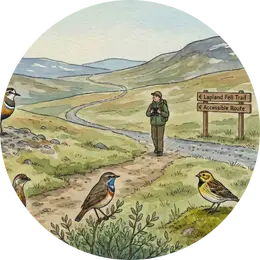
The treeless fells of northern Lapland support breeding populations of Long-tailed Skua, Dotterel, Ptarmigan, Bluethroat, and Lapland Longspur. These areas remain accessible via established trails and roads.
Coastal and Archipelago Diversity:
Finland’s 1,250 kilometer Baltic coastline and extensive archipelago, the largest in the world, provide critical habitat for seabirds, waterfowl, and migrants. The southwestern archipelago is particularly important during migration periods.
Seasonal Light Conditions:
Summer’s continuous daylight (midnight sun north of the Arctic Circle, extended daylight hours throughout the country) allows for flexible observation schedules. Conversely, winter’s limited daylight requires careful planning but offers excellent opportunities for owls and northern finch species.
Boreal Forest Specialties:
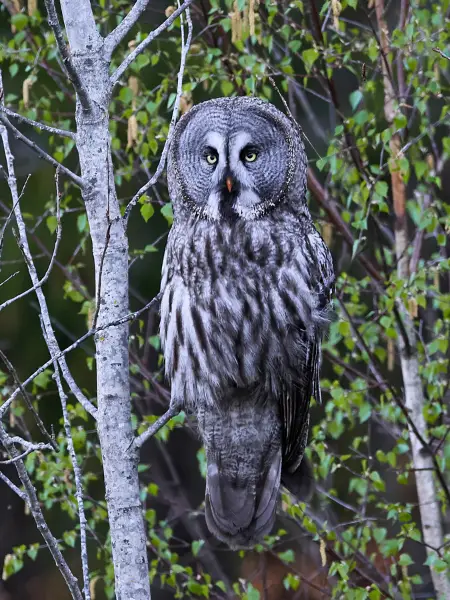
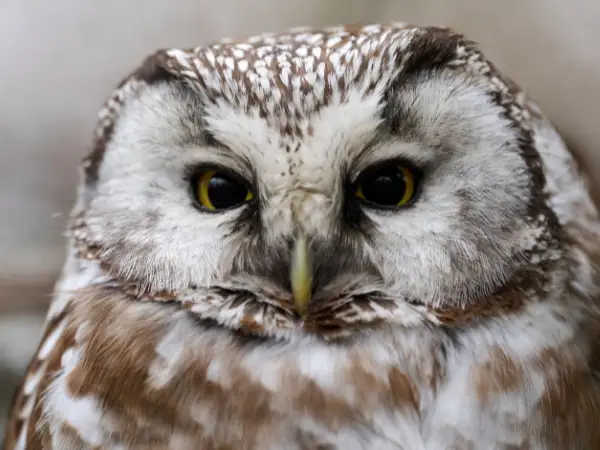
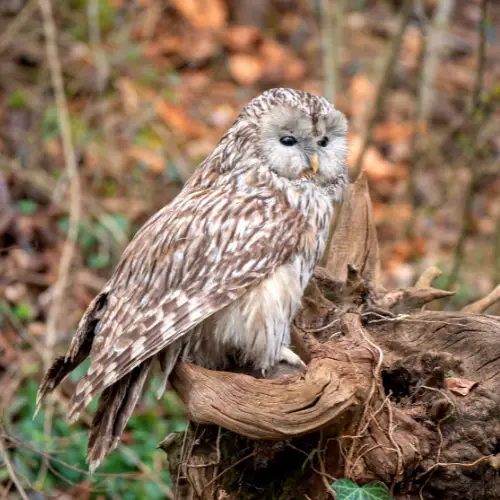
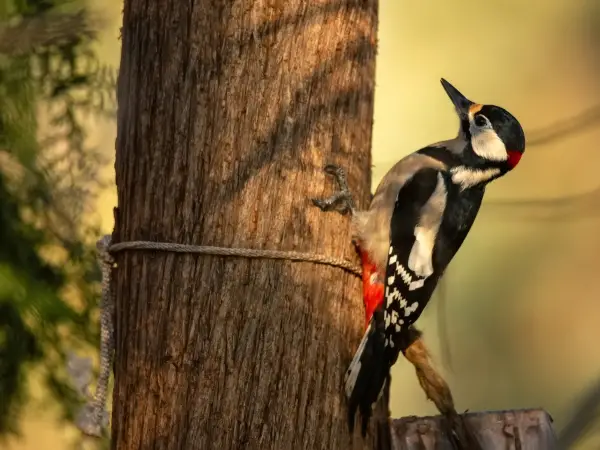
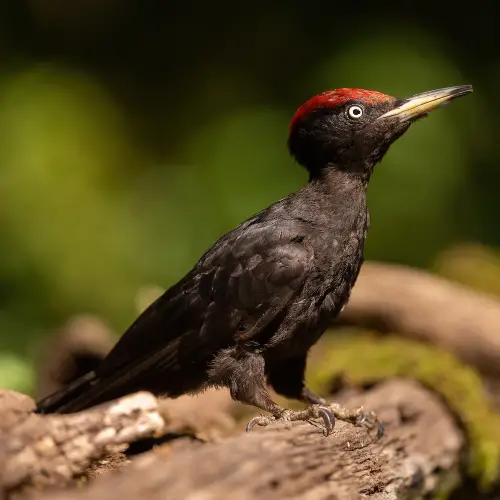
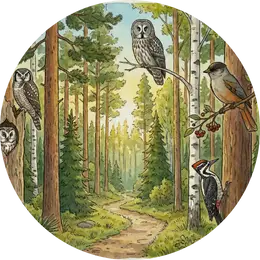
Approximately 75% of Finland is forested, providing extensive habitat for species with limited ranges elsewhere in accessible Europe. Target species including Siberian Jay, Siberian Tit, Great Grey Owl, Hawk Owl, Three-toed Woodpecker, and Tengmalm’s Owl occur here in reliable, accessible locations.

Beyond Birdwatching
Finland’s Nature Travel
Finland’s natural environment supports a range of outdoor activities that complement birding objectives or serve the interests of traveling companions.
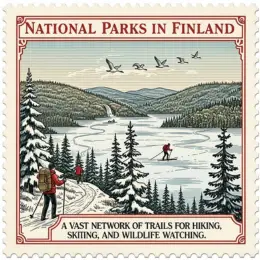
The country maintains thousands of kilometers of marked hiking trails, extensive canoeing routes through lake systems, and seasonal opportunities for wildlife observation beyond avian species.
Few destinations offer such variety for nature travel
Nature's presence
The nature is so present in the country that even Finland’s capital offers remarkable birdwatching options.
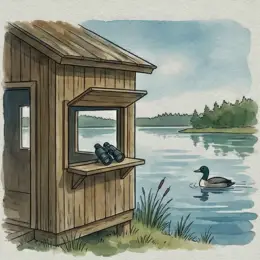
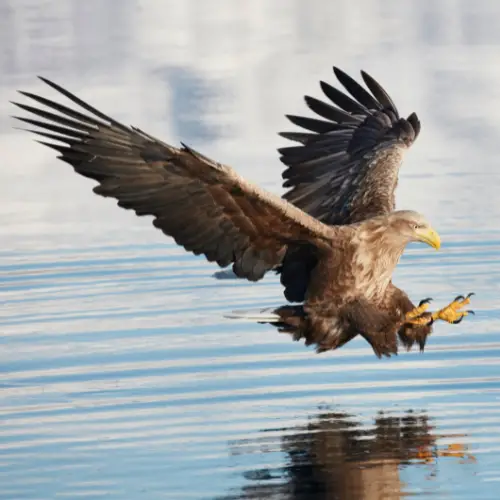
The Viikki nature reserve and Keinumäki birdwatching tower overlook the wetlands of Vanhankaupunginlahti, one of the country’s most famous bird areas, where visitors can spot reedbed species, migratory flocks, and even the majestic white-tailed eagle
Good to Know
Accessibility and Rights of Access:
Finland’s constitutional right of public access (jokamiehen oikeus) permits free movement through forests and natural areas, significantly enhancing birding opportunities. The country maintains an extensive network of national parks, nature reserves, and designated birdwatching sites with established trails, observation towers, and hides.
Infrastructure:
Finland’s well-maintained road network provides access to remote areas. Many productive birding locations are roadside-accessible, though some sites in Lapland and eastern regions require appropriate vehicle clearance or short walks. Accommodation infrastructure is well-developed across the country, including in the northern regions.
Behavioral Characteristics:
Finnish birds, particularly forest species, often exhibit reduced wariness compared to populations in more densely inhabited regions. This facilitates observation but requires responsible birding practices to avoid disturbance, particularly during breeding seasons.
About us
This site is maintained by naturalists based in Pohjois-Karjala, Finland,
Finland’s avifauna and natural landscapes represent distinctive resources for serious birders.
This site aims to facilitate effective planning for those choosing to explore them.